Ceramic dishes have been used for centuries and continue to shine in modern kitchens. They are particularly well suited to slow, even cooking, making them excellent for lasagnas, gratins, stews, and cobblers.
What makes ceramic so appealing?
- It distributes heat evenly and gently.
- It is resistant to very high oven temperatures.
- It often has a naturally smooth surface that reduces sticking.
Ceramic cookware also brings aesthetic value to the table, as many pieces serve both practical and decorative purposes.
4. Reusable Silicone Mats: When You Want Convenience Without Waste
If you appreciate the practicality of parchment paper but want something more sustainable, a high-quality silicone baking mat can be a great compromise. These mats are designed for repeated use and withstand hundreds of baking cycles.
To ensure safety:
- Choose mats from reputable brands.
- Avoid using them under a broiler.
- Stay within the recommended temperature limits (usually up to 230–250°C).
Although silicone mats share some of the concerns associated with silicone coatings, they are typically thicker, more stable, and subject to stricter manufacturing standards than disposable coated papers.
So, Should You Stop Using Parchment Paper Altogether?
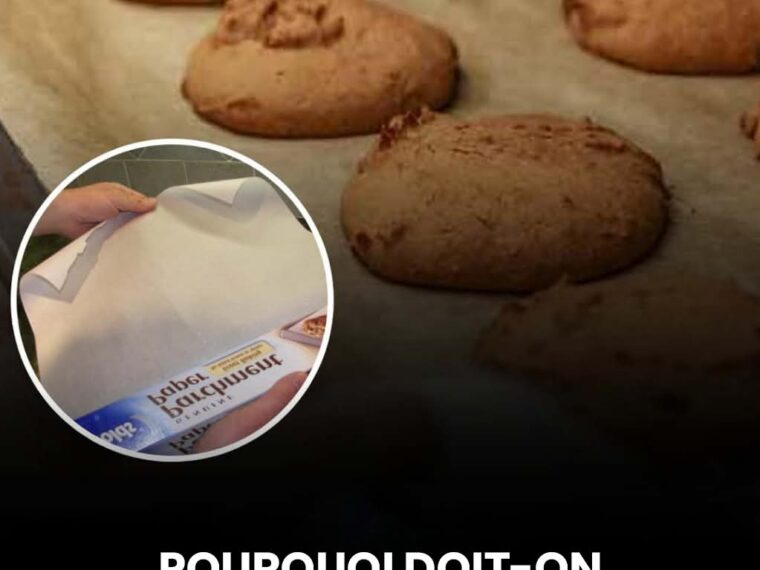
Not necessarily. Parchment paper remains a helpful tool for many bakers and cooks. For occasional use, especially at moderate temperatures, it is generally considered safe and effective. The key is to understand its limitations:
- Avoid using it under intense heat or open flames.
- Don’t reuse parchment paper multiple times.
- Choose unbleached options when possible.
- Keep in mind that convenience sometimes comes with trade-offs.
If you cook or bake frequently, exploring more durable alternatives can offer both safety and environmental benefits—not to mention better browning, crisping, and overall cooking performance in some cases.
Final Thoughts
Parchment paper is undeniably practical, but a closer look at how it’s made and how it behaves under heat reveals some details worth considering. Whether it’s the bleaching process, the silicone coating, or the temperature limitations, it’s wise to be informed about what comes into contact with our food.
The good news? Safe, accessible, and high-quality alternatives exist. Stainless steel, glass, and ceramic offer reliability without hidden surprises. And for those attached to the convenience of a non-stick surface, high-quality reusable mats provide an eco-friendly option.
In the end, cooking is not only about flavor—it’s also about making conscious choices that protect our health and our environment.